
Smart Homes Take Over: How Americans Are Redesigning Everyday Living
In 2026, smart home technology is no longer a futuristic concept—it has become a mainstream lifestyle choice in households across the United States. From New York apartments to suburban Texas homes, Americans are embracing devices and systems that automate, simplify, and enhance daily life, reshaping how people interact with their living spaces.
The rise of smart speakers, intelligent thermostats, automated lighting, and connected security systems has transformed the modern home into a hub of convenience and efficiency. These tools not only save time and energy but also provide unprecedented control over comfort and safety. Homeowners can now adjust temperature, monitor energy consumption, or even check who is at the door from their smartphones or voice-activated devices, whether at home or on the go.
Lifestyle trends show that Americans increasingly prioritize convenience and personalization. Smart appliances, from refrigerators that track expiration dates to coffee machines that brew on a schedule, integrate seamlessly into daily routines. Personalized algorithms adjust lighting, music, and even room scents to suit individual moods, creating immersive living experiences tailored to residents’ preferences.
Sustainability is another driving factor. Smart energy systems allow households to reduce consumption, optimize heating and cooling, and track solar panel output. Many consumers see these devices as tools for both comfort and environmental responsibility, aligning with broader societal concerns about energy efficiency and climate change.
The tech behind smart homes is becoming more intuitive. Artificial intelligence systems learn users’ habits and anticipate needs, gradually automating tasks without requiring manual input. Voice recognition, gesture controls, and smartphone interfaces are becoming standard, making technology accessible to users of all ages.
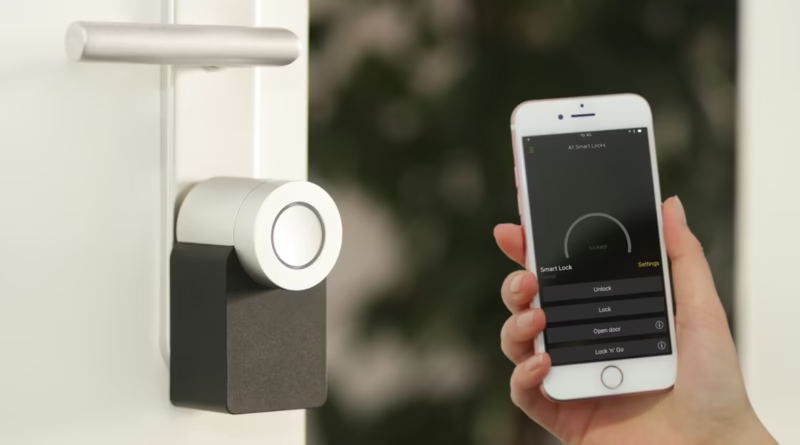
Security remains a top priority for homeowners adopting smart devices. Connected cameras, door locks, and alarm systems provide real-time alerts and remote control, giving peace of mind. Integration with emergency services and cloud storage ensures that data is accessible yet secure, reflecting a balance between convenience and privacy.
Consumer engagement also extends to design. Smart furniture, modular layouts, and adaptable home aesthetics complement technological enhancements, merging functionality with style. Lifestyle influencers and interior designers frequently showcase smart home setups on social media, driving interest and adoption among younger audiences.
Industry experts predict continued growth in the smart home sector. Partnerships between tech companies and traditional home brands are expanding the ecosystem, offering more integrated, user-friendly solutions. Subscription models for AI services, cloud storage, and home monitoring are becoming commonplace, making advanced technology accessible without requiring massive upfront costs.
Ultimately, the smart home revolution represents more than just technological advancement—it reflects a broader shift in how Americans live, work, and interact with their personal spaces. Convenience, sustainability, and personalization now guide lifestyle choices, reshaping the concept of home for the modern era.