
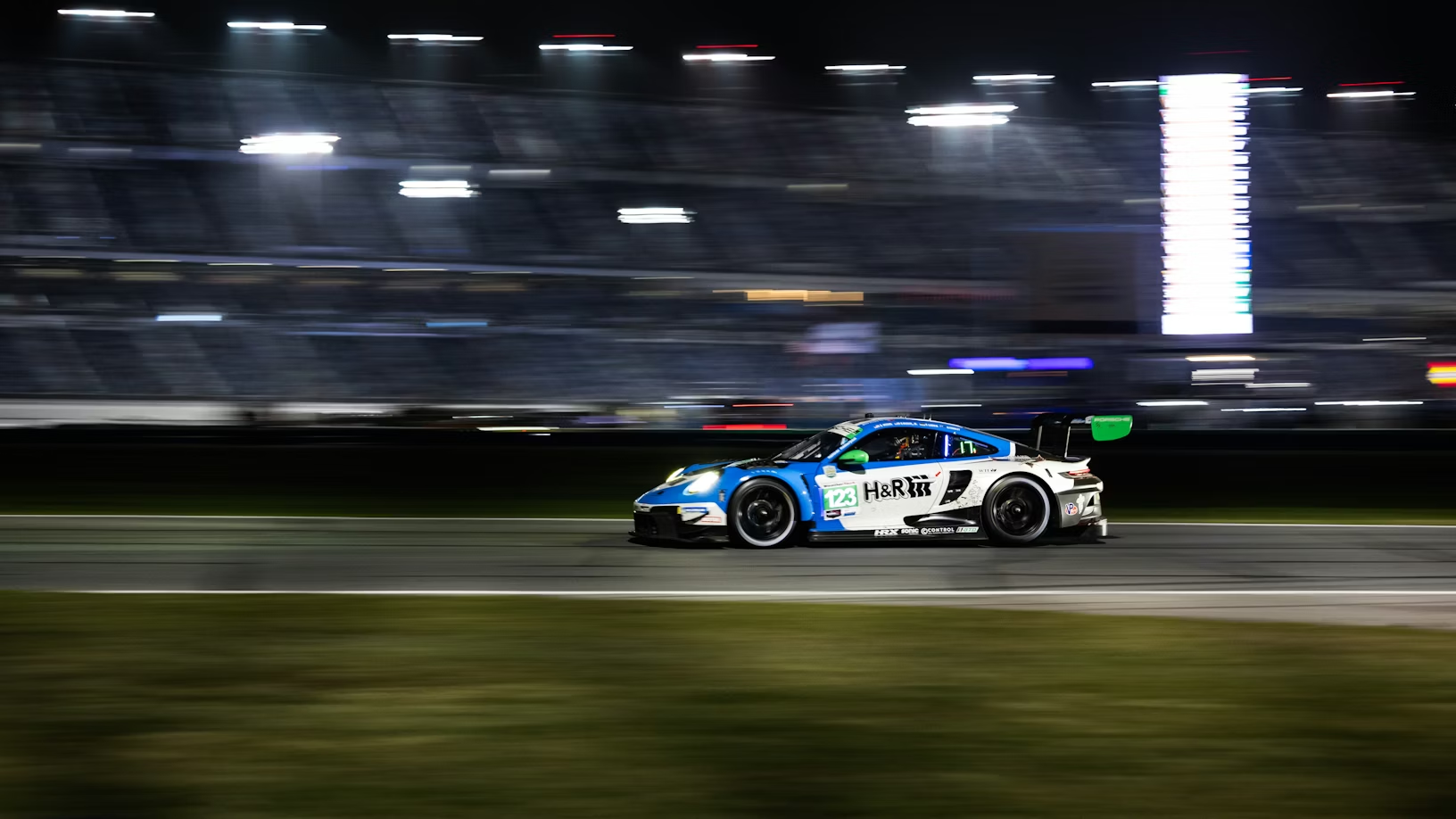
Record Viewership Signals Resurgence for America’s Premier Stock Car Race
This year’s edition of the legendary Daytona 500 has delivered more than just high-speed drama—it has signaled a powerful resurgence in American motorsports. The iconic race at the Daytona International Speedway drew one of its strongest television audiences in recent years, reigniting conversations about NASCAR’s cultural footprint and its ability to attract a new generation of fans.
Organized by NASCAR, the Daytona 500 has long been considered the crown jewel of stock car racing. Often referred to as “The Great American Race,” it traditionally opens the NASCAR Cup Series season and sets the tone for the year ahead. This season, however, the spotlight extended beyond the racetrack and into living rooms nationwide.
Broadcast data indicates a notable increase in viewership compared to recent seasons, suggesting renewed public interest. Analysts attribute the surge to several factors: intensified marketing efforts, compelling driver storylines, and strategic broadcast timing. The event also benefited from a competitive field that featured both seasoned champions and rising stars, creating unpredictable racing and multiple lead changes throughout the final laps.
Industry experts say the strong ratings could represent a broader revival for motorsports in the United States. After facing declining numbers during parts of the previous decade—partly due to shifting entertainment habits and digital streaming competition—NASCAR has invested heavily in modernization. Rule changes aimed at improving on-track competition, enhanced digital engagement strategies, and expanded social media outreach have all contributed to revitalizing the brand.
The economic impact of the race was also significant. Daytona Beach saw a surge in tourism revenue as tens of thousands of fans traveled to Florida for race weekend. Hotels, restaurants, and local businesses reported increased bookings, underscoring the event’s importance not only as a sporting spectacle but also as a major economic driver.
From a competitive standpoint, the race delivered high drama. Late-race strategy decisions, pit-stop precision, and aerodynamic drafting battles kept viewers engaged until the final stretch. Crashes and caution flags added tension, but the closing laps showcased the technical skill and composure that define elite stock car racing.
Sports media commentators note that the rebound in ratings could influence future sponsorship deals and advertising investments. Stronger viewership often translates into higher sponsor confidence, which in turn fuels team development and technological innovation.
While it remains to be seen whether the momentum will carry through the entire season, the Daytona 500’s strong performance has provided NASCAR with renewed optimism. If current trends continue, this year may mark a turning point in the sport’s modern era—one where tradition and innovation successfully converge to capture America’s attention once again.