
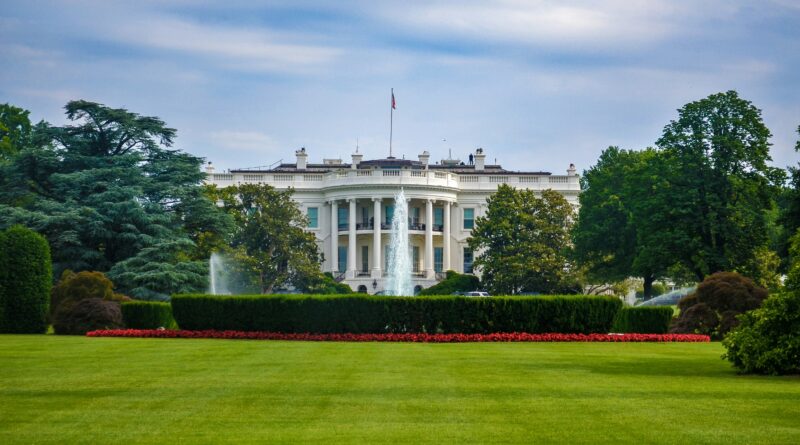
America’s Expanding Role in Global Security Talks Signals Strategic Shift
As global tensions evolve across multiple regions, the United States continues to position itself at the center of international security discussions. Recent high-level diplomatic meetings have underscored Washington’s commitment to reinforcing alliances while addressing emerging threats in cyber warfare, artificial intelligence, and military deterrence.
One of the dominant themes shaping current discussions is digital security. As critical infrastructure—from energy grids to banking systems—becomes increasingly digitized, cyber vulnerabilities represent a growing concern. American officials have emphasized the need for coordinated defense strategies among allied nations to prevent large-scale cyber disruptions.
Military readiness has also featured prominently in strategic talks. Defense analysts suggest that evolving geopolitical tensions have prompted a reassessment of troop deployments, supply chain resilience, and defense budgets. The United States continues to advocate for strengthened cooperation within NATO, urging member nations to maintain robust defense commitments.
Beyond traditional warfare, artificial intelligence has emerged as a new frontier in national security. Experts warn that AI-powered surveillance, autonomous weapons systems, and disinformation campaigns could redefine conflict landscapes. American policymakers are pushing for international standards that govern responsible AI use in military applications.
Diplomatic observers note that while the tone of discussions remains firm, there is also an emphasis on avoiding unnecessary escalation. Strategic stability depends not only on military strength but also on sustained diplomatic engagement.
Public opinion within the United States reflects a complex balance. While voters generally support strong national defense, there is also fatigue from prolonged overseas conflicts. Lawmakers must therefore navigate domestic political realities alongside global responsibilities.
America’s influence in shaping international security policy remains significant. However, the effectiveness of its leadership will likely depend on maintaining unity among allies while adapting to rapidly changing technological and geopolitical landscapes.